Source Exotic Leather — Get a Quote
Tell us what you need. We reply on WhatsApp with availability and an indicative quote, and connect you to a vetted, CITES-compliant supplier. By the skin or in bulk. Species named accurately.
Indicative pricing by quote, no obligation. CITES docs on international orders. We coordinate vetted, compliant suppliers.
Source by Species
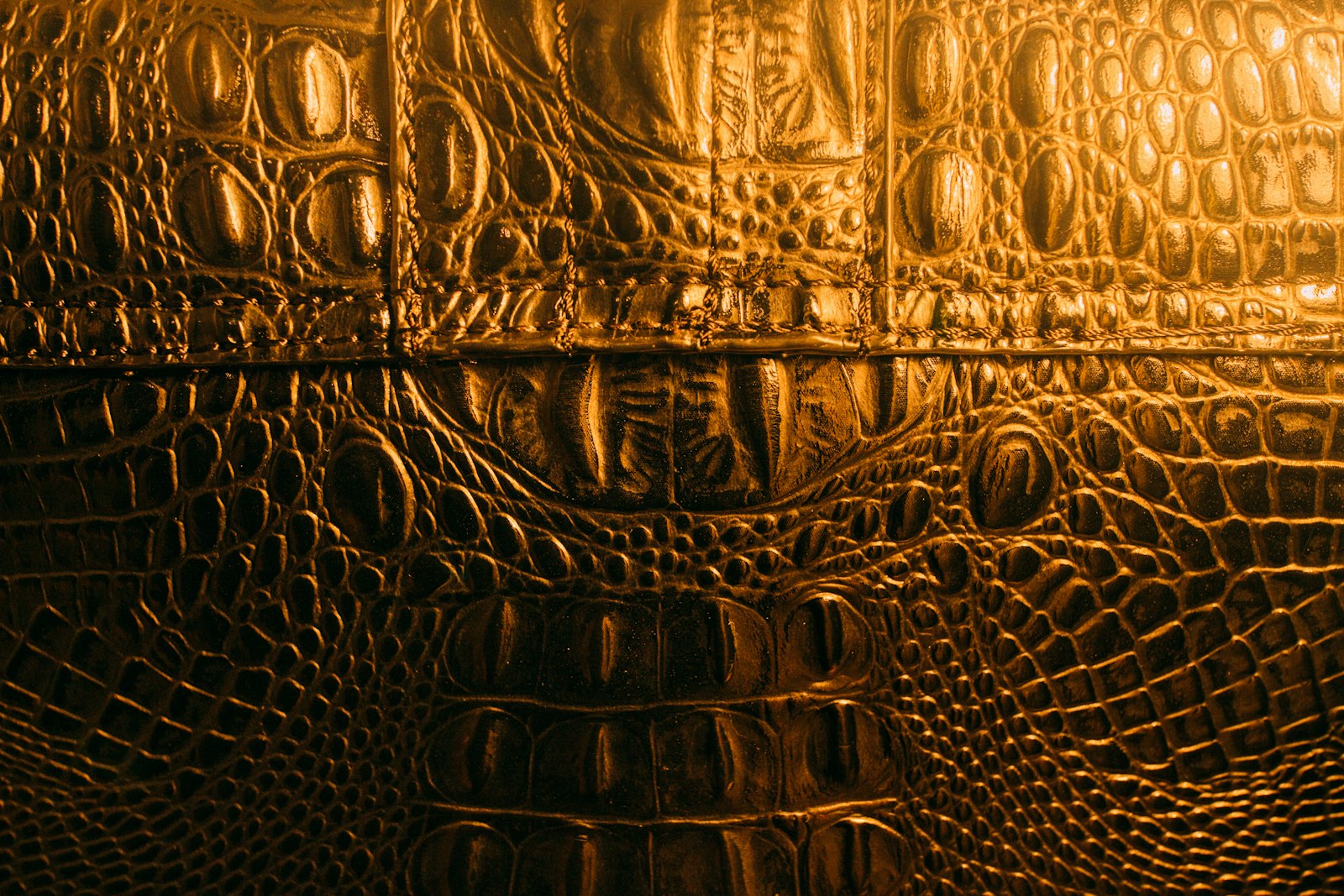
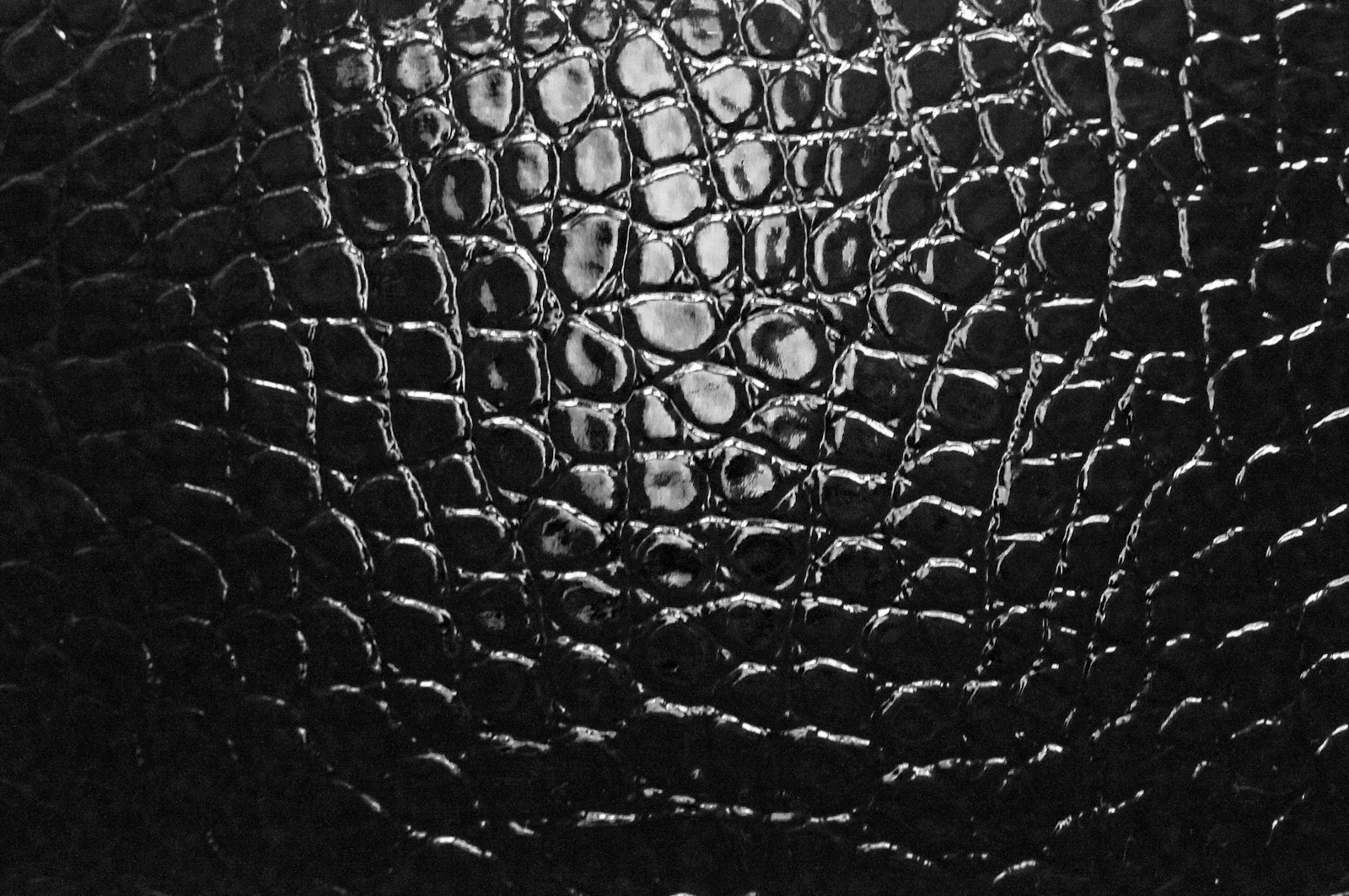
We name every species accurately — saltwater & Nile crocodile, American alligator, caiman, python, lizard, ostrich and stingray — and never pass embossed calf off as exotic.
Buy Smart
The grades, forms, prices and legal facts, decoded for buyers. Indicative ranges: porosus belly about $18–$35/cm; reticulated python about $40–$120/skin; ostrich about $10–$20/sqft — by quote, varying with grade, size, finish and volume.
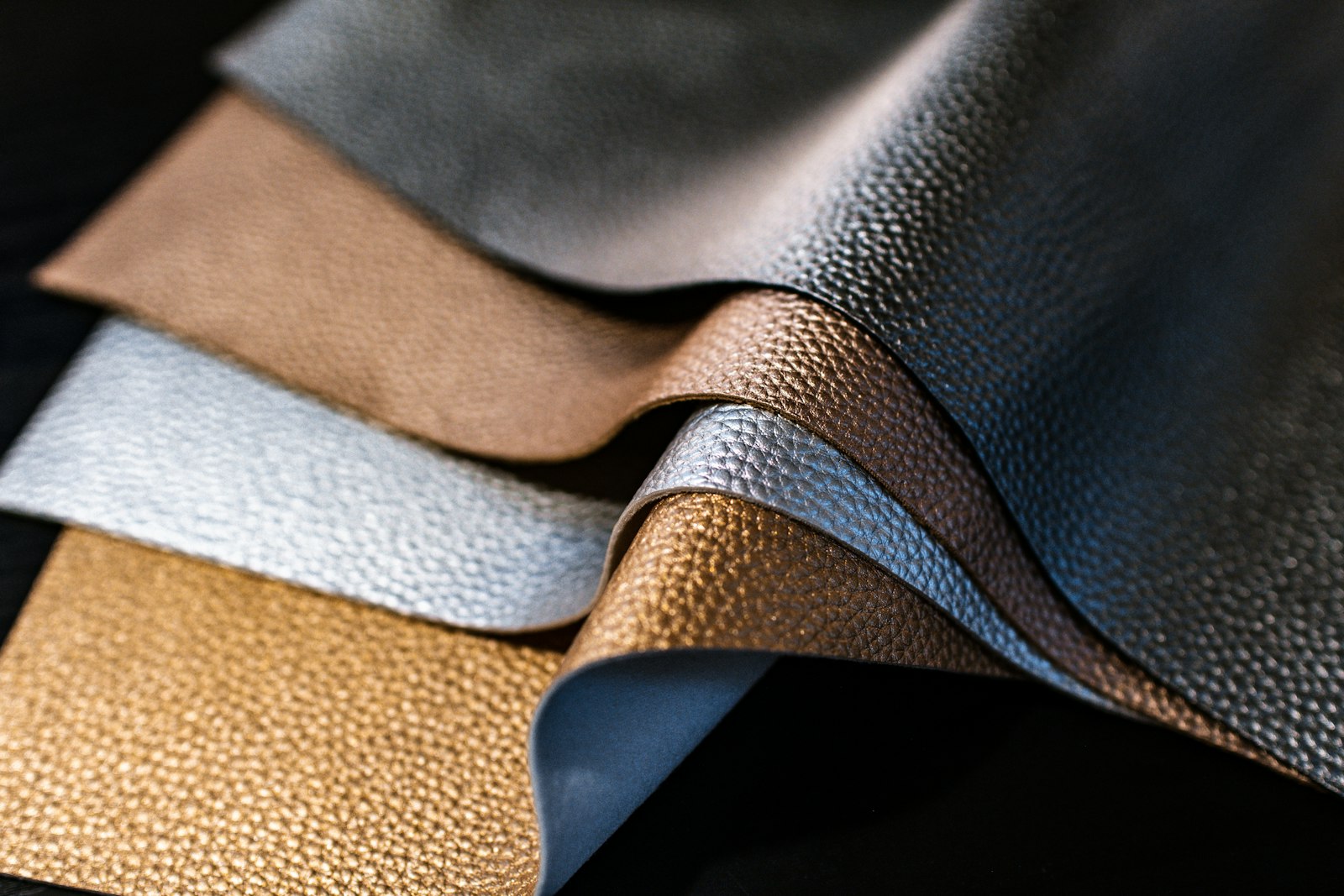
Grades
Understand grading →
Price Guide
See prices →
CITES & Legality
Read first →
MOQ & Lead Times
Plan your order →Why Exotic Leather Wholesale
Accurate Species
We name every skin by species (porosus, niloticus, alligator, caiman, python, lizard, ostrich, stingray) — never embossed calf as “exotic”.
CITES-Compliant
Most exotic leather is App-II. We source documented, legal supply and coordinate the export/import permits and source codes buyers need.
Grade & Form Transparency
Grade I–IV, raw vs wet-blue vs crust vs finished, real measurement units and indicative ranges — not marketing.
Sourcing Desk, Not a Tannery
We coordinate vetted, CITES-compliant tanneries & suppliers from Indonesia and beyond; pricing is by quote.
From Enquiry to Skins
How sourcing works.
Send your spec
Species, form (raw/crust/finished), grade, size, finish, quantity and destination country — by the skin or in bulk.
Get availability & a quote
We come back with the right species and grade, an indicative range, lead time, and CITES guidance for your country.
We coordinate the supplier
A vetted, CITES-compliant tannery/supplier fulfils it; you receive the skins with documentation. We coordinate; they tan.
Exotic leather wholesale means sourcing genuine crocodile, alligator, python, lizard, ostrich and stingray skins – not embossed calf – in the grades, sizes and finishes your production actually needs. At Exotic Leather Wholesale, we act as your independent B2B sourcing desk for CITES-compliant exotic leather, coordinating from Indonesian tanneries to your atelier, by the skin or in bulk.
Exotic Leather Wholesale, Defined
In our usage, “exotic leather wholesale” is very specific:
- Real species only: crocodile (Crocodylus porosus, C. niloticus, caiman), American alligator (Alligator mississippiensis), pythons (primarily Python reticulatus), lizards (monitor and ring lizard), ostrich (Struthio camelus), stingray (family Dasyatidae) and a narrow set of other CITES-listed reptiles/farmed birds.
- True forms: raw salted, wet-blue, crust, or fully finished skins and panels.
- Honest grading: Grades I–IV based on actual, visible defects in the cutting area, not marketing.
- Measured correctly: belly width in centimeters, total length in centimeters or inches, or square footage on panels – not “approximate size” headlines.
- Documented legality: CITES-compliant export/import/re-export in line with current regulations. General information only; you must confirm details with your CITES Management Authority and customs broker.
Our business model is straightforward: we are a sourcing desk, not a tannery. We coordinate with vetted, CITES-compliant Indonesian and regional partners to assemble the exact species, grades and finishes you need, quote you indicative price ranges, and manage the process from selection to export.
Above the Fold: Species Tiers & What We Do
Core Species Cards (by Tier)
We organize wholesale exotic skins by both species and typical market tier, so you can match material to product and price point.
- Tier 1: High-luxury reptile
-
- Saltwater crocodile (Crocodylus porosus) – premium small-scale belly, used in top-tier leather goods and watch straps. Mostly CITES Appendix II, regulated via quotas and permits.
- American alligator (Alligator mississippiensis) – similar use-case to porosus, different scale pattern, predominantly from the United States under state and federal management.
- Tier 2: Upper-premium crocodilian
-
- Nile crocodile (Crocodylus niloticus) – larger scales than porosus, widely used in bags, belts and footwear.
- Caiman (e.g. Caiman crocodilus fuscus) – bony plates (osteoderms) give a different hand-feel; more cost-efficient for larger panels and entry-exotic price points.
- Tier 3: Workhorse reptile & small lizard
-
- Reticulated python (Python reticulatus) – widely used for bags, sneakers, small leather goods; offers long, continuous patterns.
- Other pythons (e.g. Python bivittatus) – depend on local availability and quotas.
- Monitor lizard (e.g. Varanus salvator) – tight, bead-like scale pattern, popular for small leathergoods and watch straps.
- Ring lizard (Varanus salvator, ring-marked portions) – selected for circular markings used in small goods and watch straps.
- Tier 4: Avian & fish exotics
-
- Ostrich (Struthio camelus) – quill follicles create the “polka-dot” texture used in bags, footwear and upholstery.
- Stingray (family Dasyatidae) – pearl-like surface, extremely abrasion-resistant, common in wallets, belts and small accessories.
Each of these species has specific CITES status, standard measurement methods and grading logic. Our role is to translate that into clear, production-ready information for your team.
What We Do (and What We Don’t)
- We are an independent sourcing desk. We do not operate a tannery. Instead, we work with a network of audited CITES-compliant tanneries and traders in Indonesia and, where relevant, neighboring countries.
- We cover the technical work: species verification, belly width and length measurement, Grade I–IV defect grading, and matching form (raw/wet-blue/crust/finished) to your process.
- We do not rebrand or mislabel hides. No embossed calf masquerading as crocodile. No ambiguous “exotic print.” Only declared species with scientific names.
- We do not provide legal advice. We understand CITES requirements and explain them in practical terms, but you remain responsible for confirming legality and paperwork with your CITES Management Authority and customs broker.
If you are planning a collection or sampling round and want straight answers on species, grades, indicative price bands and lead-times, you can plan your trip through the sourcing process with us via email or WhatsApp; we typically respond within one working day with clarifying questions.
Forms: Raw, Wet-Blue, Crust and Finished Exotic Skins
Raw / Green / Salted Skins
Raw skins are preserved (usually salted or chilled) but otherwise untanned. In B2B practice, these are typically of interest to:
- Large tanneries with in-house beamhouse and finishing.
- Manufacturers with strategic tanning partners.
Raw crocodilian and python skins are measured and graded primarily at the farm or collection stage. Defects from capture, handling and preservation directly affect final yield.
Wet-Blue
Wet-blue refers to chrome-tanned but not yet crusted or finished skins. Characteristics:
- Stable for transport and storage.
- Still flexible in terms of final color and finish.
- Defects are more obvious than in raw, but still require expertise to project final yield.
Crust
Crust skins are fully tanned and dried, usually dyed but unfinished (no final topcoat, glazes or special effects). For many brands, crust offers the right balance of flexibility and predictability:
- You can finish (re-color, antique, glaze, nubuck) closer to your production center.
- Most structural defects are fully visible.
- Weights and thickness are already set for product categories.
Finished Skins and Panels
Finished exotic leather is what most ateliers and brands ultimately use. This includes:
- Full skins – belly-cut or back-cut, glazed or matte, printed, antiqued, or specialty finishes.
- Panels / cut parts – for example, watch strap blanks, bag panels, small leather goods panels.
Our Indonesian partners specialize in finished crocodile, python and lizard; we also coordinate finished ostrich and stingray through established regional channels when requested.
Species, Measurement & Grades: How We Actually Classify Skins
Crocodile & Alligator (Porosus, Niloticus, Caiman, Alligator mississippiensis)
Cut: Typically belly-cut for bags and small leather goods; back-cut for boot shafts and specific fashion applications.
Measurement:
- Belly width in centimeters at the widest usable point (excludes hard side-flank edges).
- Total length from snout tip to tail tip, in centimeters.
Grading (I–IV): Focused on the belly cutting area, where most high-value panels are cut.
- Grade I – very clean belly, no major defects in main cutting area, minimal or no scars, pin holes, or horn damage.
- Grade II – small, limited defects in or near the cutting area; can usually be cut around for most product sizes.
- Grade III – noticeable defects crossing parts of the cutting area; suitable for smaller panels, lower-yield cuts or distressed finishes.
- Grade IV – significant defects; mainly for small components, linings, or design styles that embrace natural irregularity.
Python (Mainly Reticulated Python, Python reticulatus)
Cut: Back-cut (showing the belly pattern on the outer surface) is common for fashion. Belly-cut is used when a different visual is desired.
Measurement:
- Length in centimeters from head to tail.
- Width at the widest point (usually mid-body) in centimeters.
Grading: Evaluated along the central pattern line, checking for holes, deep scratches, scale loss, and uneven flaying. Python often has a broader usable area even with some edge defects.
Lizard (Monitor & Ring Lizard)
Cut: Whole skins, typically belly-focused for watch straps and small goods.
Measurement: Length and maximum width in centimeters. Because panels are small, micro-defects can be critical for high-end strap production.
Grading: Very detail-sensitive; even small scale loss or scars in the central zone will drop the grade.
Ostrich (Struthio camelus)
Measurement: Square footage (sq ft) for the full skin. The “crown” (dense quill area) is the highest-value part.
Grading: Based on quill density regularity, defect presence in the crown, and overall skin condition.
Stingray (Dasyatidae family)
Measurement: Often sold by piece and priced in bands based on approximate panel yield, or by square foot when split and leveled.
Grading: Considers the central “pearl” cluster, overall pebble uniformity, and absence of deep cuts or large holes from capture.
Indicative Wholesale Price Bands (2025–2026)
We do not publish a live price database; market prices move with grade, size, finishing, volume and exchange rates. The ranges below are indicative wholesale bands last verified June 2026, for standard commercial orders, intended to guide budgeting only. Final pricing is always by quote.
| Species / Form | Typical Unit | Indicative Wholesale Range* | Key Drivers |
|---|---|---|---|
| Saltwater crocodile (C. porosus) finished belly | Per cm belly width | ~US$18–35/cm | Grade I–III, size, finish (glazed vs matte), color, volume |
| Nile crocodile (C. niloticus) finished belly | Per cm belly width | ~US$8–18/cm | Grade, size, tanning origin, fashion colors |
| Caiman finished skins | Per skin | ~US$25–80/skin | Size band, finish, defect tolerance |
| American alligator finished belly | Per cm belly width | ~US$15–30/cm | Wild vs farmed, grade, size, finish |
| Reticulated python (P. reticulatus) finished, fashion colors | Per skin | ~US$40–120/skin | Length/width, cut, print, special finishes |
| Monitor / ring lizard finished | Per skin | ~US$25–90/skin | Clean center area for straps/SLG, color, finish |
| Ostrich crust or finished | Per sq ft | ~US$10–20/sq ft | Crown quality, color, thickness, volume |
| Stingray finished panels | Per skin or sq ft | ~US$20–60/skin equivalent | Pearl size, uniformity, splits vs full, color |
*Indicative ranges only, last verified June 2026. Final pricing by written quotation after specification and volume are confirmed.
How Our Exotic Leather Sourcing Desk Works
1. Specification & Technical Fit
We start with your product and process:
- Product type (watch straps, handbags, shoes, belts, small leather goods, upholstery, OEM panels, etc.).
- Target species (e.g. porosus vs niloticus vs python).
- Form (wet-blue, crust, finished) and preferred cut (belly-cut vs back-cut).
- Grades you are prepared to work with (I–III for high-end; III–IV for more price-sensitive, smaller components).
- Color/finish families and thickness ranges.
- Intended markets (to anticipate CITES and import control complexity).
2. Sourcing & Shortlisting
With a clear spec, we approach vetted tanneries and traders in Indonesia and the region. We:
- Confirm species with scientific names.
- Check availability bands (sizes, grades, colors) and indicative lead-times.
- Screen for CITES documentation readiness (export permits, source codes).
3. Grading, Measurement & Sampling
For each shortlisted batch we:
- Verify belly width and length on sample skins and provide measurement photos if required.
- Confirm grading standards for the batch; Grade I in one tannery’s language is not always Grade I in another – we calibrate.
- Arrange sample skins or cut panels so you can test in your prototyping line.
4. Quotation & Order
Once you are comfortable with species, grades and finishes, we issue a quotation covering:
- Unit prices within the indicative bands, fixed for a validity window.
- MOQ per item (e.g. minimum number of skins per color, per grade).
- Estimated lead-times (production and documentation) and shipping terms.
Many clients move from samples to first production within a single season, especially for python, lizard and crocodile small leather goods.
5. CITES & Export Coordination
For CITES-listed species, proper documentation is critical. We coordinate with suppliers and, where appropriate, logistics partners to ensure that:
- CITES export permits from the country of origin are applied for with correct species, quantities and source codes (e.g. W, R, C, F, D as defined by CITES).
- Any required re-export permits are addressed if skins have transited another country.
- Commercial invoices and packing lists match CITES permits exactly.
This information is practical, but not legal advice. You must:
- Confirm import conditions, quotas and any additional certificates with your national CITES Management Authority.
- Work with your customs broker for HS codes, tax and clearance requirements.
6. Delivery & Ongoing Supply
Post-clearance, skins are delivered to your designated address. For ongoing programs we can:
- Reserve capacity with partner tanneries for recurring color/size/grade mixes.
- Support seasonal development (new colors, finishes, emboss combinations on genuine exotics).
CITES-Compliance: Practical Overview (Not Legal Advice)
Key CITES Categories for Exotic Leather
Most commercially used crocodiles, pythons and lizards are listed on CITES Appendix II, which allows controlled trade with permits. Some populations of certain species may appear on Appendix I with much stricter rules.
Common examples relevant to our work:
- Crocodylus porosus – typically Appendix II for many farmed and wild-managed populations under quotas.
- Crocodylus niloticus – many farmed populations on Appendix II under management systems.
- Alligator mississippiensis – listed under CITES but managed via established U.S. state/federal programs; trade is allowed with proper documentation.
- Python reticulatus and other commercial pythons – generally Appendix II.
- Various Varanus (monitor lizards) – typically Appendix II.
- Ostrich (Struthio camelus) – domesticated and not CITES-listed, but still subject to veterinary and import regulations.
- Many stingray species in the leather trade are not CITES-listed but may face fisheries or national controls.
Source Codes (W, R, C, F, D)
On CITES permits, reptiles often carry source codes, for example:
- W – wild specimens taken from the wild.
- R – ranched specimens from wild-collected eggs or juveniles.
- C – animals bred in captivity for commercial purposes.
- F – animals born in captivity (not meeting full “bred in captivity” criteria).
- D – Appendix I animals bred in captivity for commercial purposes.
These codes affect what importing countries allow and how they treat the shipment. You should always:
- Check your country’s specific rules for each source code.
- Keep full documentation on file for audits or brand compliance teams.
Your Responsibilities
We will openly share the CITES status, expected source codes and permit pathway for any batch we coordinate, but you remain responsible for:
- Obtaining any required import permits before shipment, if your country requires them.
- Ensuring company-level compliance with any brand, certification or sustainability standards.
- Using a customs broker experienced in wildlife products for clearance.
Matching Species & Grades to Finished Products
High-Luxury: Watch Straps & Small Leather Goods
- Best suited species: Crocodylus porosus, American alligator, high-grade monitor/ring lizard.
- Typical grades: Grade I–II; selective Grade III for non-visible parts or cost control.
- Considerations:
- Clean central belly or lizard back with minimal scars.
- Tight thickness tolerance and color matching from batch to batch.
- Consistent scale size across paired components (e.g. both sides of a watch strap).
Handbags and Larger Leather Goods
- Best suited species: C. porosus, C. niloticus, caiman, python, ostrich.
- Typical grades: Grade I–II for front/best panels; Grade II–III for backs and internal parts.
- Considerations:
- Skin size sufficient to cut main panels without patching.
- Choice between belly-cut crocodile for classic luxury bags and back-cut python for pattern-forward designs.
- Ostrich quill distribution across visible bag surfaces.
Footwear & Sneakers
- Best suited species: Python, caiman, ostrich, stingray (for components), sometimes niloticus.
- Typical grades: Grade II–III often acceptable, as individual panels are smaller and some defects are cut out.
- Considerations:
- Flex and tensile strength in bending areas.
- Surface treatments for abrasion and colorfastness.
- For stingray, thickness control to maintain comfort.
Belts & Bracelets
- Best suited species: Caiman, python, stingray, niloticus, lizard for narrower widths.
- Typical grades: Grade II–III; belts are long but relatively narrow, allowing strategic defect avoidance.
- Considerations:
- Continuous clean strip for the belt length.
- For stingray: pearl positioning along belt center line.
- Color repeatability across size runs.
Honest Species Naming: What We Will and Won’t Sell
Our editorial and sourcing policy is strict:
- No mislabeling. We will never call caiman “alligator,” nor label generic “croc” without a scientific name. You will always see, for example, Crocodylus porosus or Caiman crocodilus fuscus on documentation and communication.
- No faux-exotic as exotic. Embossed bovine (calf, cowhide) is not exotic leather. We do not list or market it under “exotic.”
- Transparent substitutes. If a requested species is not available under acceptable conditions, we will spell out substitute species and their differences – we do not quietly swap in a different animal.
This clarity matters not only for compliance, but also for your own customers and brand integrity.
Working with Our Sister Finished-Goods Sites
Some clients want both raw material and finished products based on the same species and finish families. Our group also operates neutral, species-focused finished-goods sites:
- alligatorwatchstrap.com – dedicated to watch straps in genuine alligator and crocodile.
- crocodileleatherbags.com – focused on crocodile leather bags and associated accessories.
These are separate from Exotic Leather Wholesale: they use exotic leather but operate on the finished-product side. There is no implied affiliation with any luxury house; they are simply examples of how exotic skins translate into final goods at different tiers.
How to Request a Quote or Sourcing Support
Because price, availability and CITES conditions change, every serious project starts with a specific conversation. To request a sourcing review, samples or a formal quotation, please:
- Prepare a short brief: product types, species preferences, grades, indicative quantities, target shipping destination and target dates.
- Visit plan your trip through the sourcing process by sending this brief via the contact form or WhatsApp.
- We will respond with clarifying questions and an initial feasibility view, including which species and grades best match your requirements.
For ongoing programs (e.g. seasonal bags in niloticus, continuous python for sneakers, or alligator straps), we can establish a standing sourcing plan with regular reviews of grades, yield and indicative pricing.
FAQs
Which exotic leather is “best” for my product?
“Best” depends on your product, price point and brand. For very high-end small leather goods and watch straps, Crocodylus porosus and American alligator (Grade I–II) are usually preferred for their fine, even scales. For handbags balancing cost and luxury, C. niloticus, caiman, python or ostrich may be better suited. For sneakers and belts, python and caiman are workhorses. Share your target retail and market, and we will propose specific species/grade mixes.
Are your exotic skins CITES-legal?
We only work with suppliers who provide CITES documentation appropriate to the species and origin – for example, export permits listing correct species names, quantities and source codes. However, CITES compliance is a shared responsibility: you must confirm import rules and obtain any necessary import permits through your own CITES Management Authority and customs broker. Our information is practical guidance, not legal advice.
How is exotic leather priced wholesale?
Wholesale exotic leather is typically priced by belly-width (crocodile and alligator), per skin (python, lizard, caiman, stingray) or per square foot (ostrich and some panels). Within that, price depends heavily on grade (I–IV), size, finish, color complexity, volume and exchange rates. As an example, indicative 2025–2026 bands include porosus finished bellies around US$18–35/cm and python around US$40–120/skin, always by quotation for your exact spec.
What are the minimum order quantities (MOQ)?
MOQs vary by species, finish and tannery. For some python and lizard colors, sampling can start from a handful of skins, while production runs may begin around 20–50 skins per color. Crocodile and alligator in specific grades and colors often require higher MOQs per color and size band. Ostrich and stingray are typically quoted by minimum square footage or pieces. We will outline realistic MOQs in your quotation based on your product and budget.
Can you support both material sourcing and finished products?
Yes, but via distinct channels. Exotic Leather Wholesale focuses on raw/wet-blue/crust/finished skins and panels for B2B customers. If you also need finished goods like watch straps or bags, we can refer you to our sister sites alligatorwatchstrap.com and crocodileleatherbags.com. No one can pay to change what we publish; if you proceed with our partner they may pay us a referral fee at no extra cost to you.